


• About
  • Advertise
  • Privacy & Policy
  • Contact
Research Television
Advertisement
  • Home
  • Research News
    • World
    • Africa
    • Europe
    • Asia
    • Pacific
    • Oceanic
    • Politics
  • Research Business
    • Agriculture
    • Energy
    • Manufacturing
    • Services
    • Tech
  • Research Style
    • Community
    • Culture
  • Research Entertainment
    • Movies
    • Music
  • Research Technology
    • Innovation
    • Science
  • Research Education
  • Research Environment
  • Research Health
  • Research Security
  • Research Sports
    • Football
    • Basketball
    • Golf
    • Tennis
  • LIVE
No Result
View All Result
  • Home
  • Research News
    • World
    • Africa
    • Europe
    • Asia
    • Pacific
    • Oceanic
    • Politics
  • Research Business
    • Agriculture
    • Energy
    • Manufacturing
    • Services
    • Tech
  • Research Style
    • Community
    • Culture
  • Research Entertainment
    • Movies
    • Music
  • Research Technology
    • Innovation
    • Science
  • Research Education
  • Research Environment
  • Research Health
  • Research Security
  • Research Sports
    • Football
    • Basketball
    • Golf
    • Tennis
  • LIVE
No Result
View All Result
Research Television
No Result
View All Result
Home Research Health

Trials confirm 3D-printed stretchable artery implant lowers blood pressure by 15%

ResTV by ResTV
May 22, 2026
in Research Health
0
Trials confirm 3D-printed stretchable artery implant lowers blood pressure by 15%
0
SHARES
0
VIEWS
Share on FacebookShare on Twitter

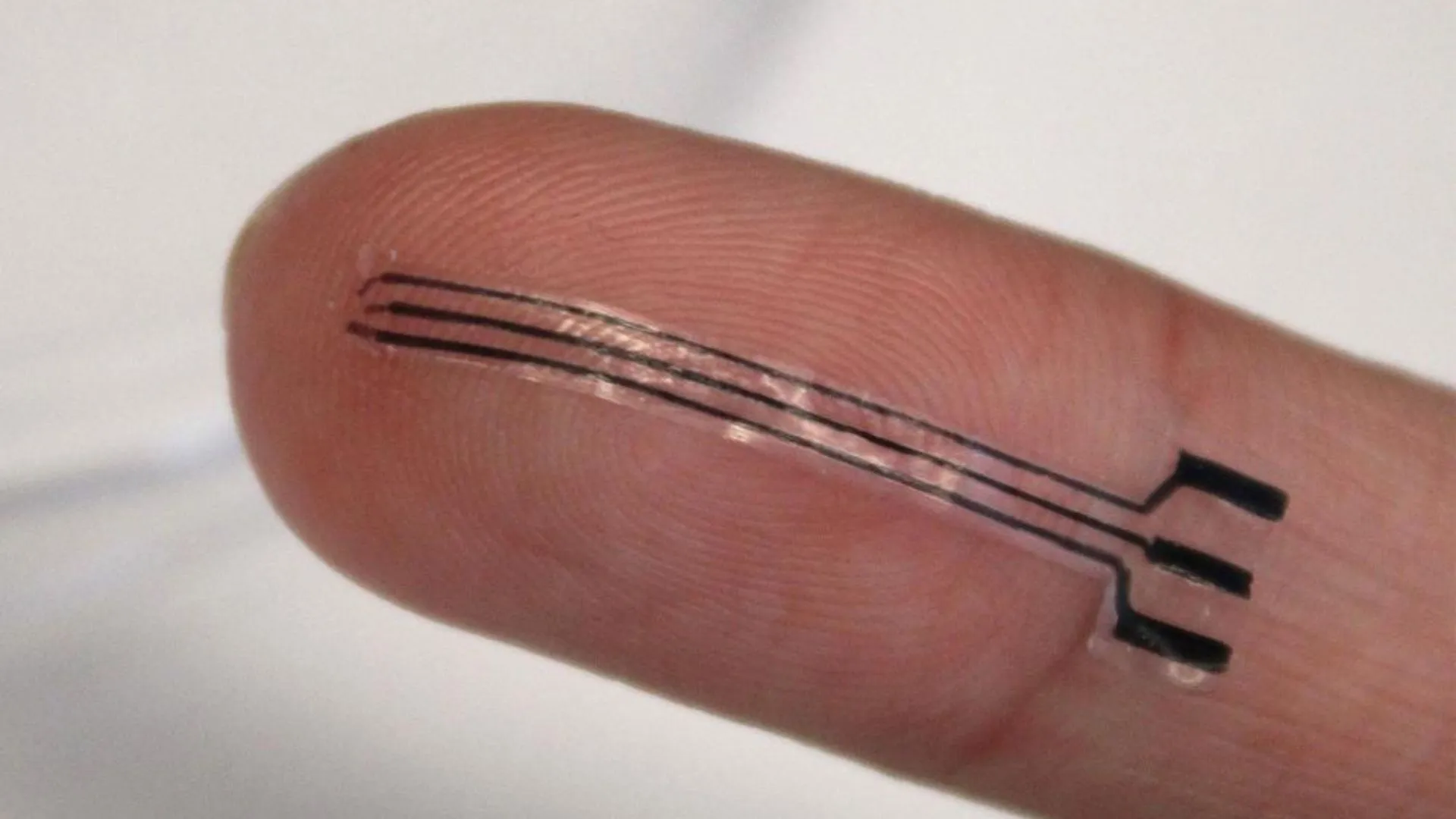
Engineers at Penn State have invented a soft electronic implant around a major artery, with the potential of lowering blood pressure using gentle electrical stimulation. The invention raises hope for a possible alternative for patients who fail to respond to medication. 

The device, called CaroFlex, combines 3D-printed stretchable electronics with a gel-like adhesive that sticks directly to living tissue without stitches. In animal studies, the system reduced blood pressure levels while avoiding much of the irritation and tissue damage associated with traditional implants. 

Researchers said the technology could eventually support new treatments for drug-resistant hypertension, a condition that leaves many Americans dependent on multiple medications with limited results. 

Most implantable bioelectronics use rigid metals and plastics that struggle to move naturally with blood vessels. Arteries constantly expand and contract during circulation, placing stress on stiff devices attached to their surface. 

That movement can weaken the implant’s connection over time and damage nearby tissue. The Penn State team approached the problem differently. Instead of hard materials, the researchers built CaroFlex from conductive hydrogels, soft materials that closely mimic the flexibility of biological tissue. 

The implant also uses an adhesive hydrogel layer that allows it to bond directly to the artery wall without surgical stitching. “These devices are usually held in place with stitches,” said Tao Zhou, assistant professor of engineering science and mechanics at Penn State. 

“These stitches can cause damage to the tissues they’re integrated with over time.” CaroFlex targets the body’s baroreflex, a built-in system that regulates blood pressure through nerve signals. The implant sits near the carotid sinus, a section of the carotid artery that contains pressure-sensitive nerve endings. 

Those receptors constantly monitor changes in blood flow and send signals to the brain, which then adjusts heart rate and blood vessel tension. By delivering low-frequency electrical pulses, the implant stimulates those receptors and influences how the body responds to rising blood pressure. 

ResTV

ResTV

Research Television

Research is in everything and everything is in research

Follow Us

Centre for Petroleum, Pollution and Corrosion Control

African Journal of Engineering and Environmental Research

Research Newspaper

Browse by Category

  • Africa
  • Agriculture
  • Asia
  • Basketball
  • Community
  • Culture
  • Energy
  • Europe
  • Football
  • Golf
  • Innovation
  • Manufacturing
  • Movies
  • Pacific
  • Politics
  • Research Business
  • Research Education
  • Research Entertainment
  • Research Environment
  • Research Health
  • Research News
  • Research Religion
  • Research Security
  • Research Sports
  • Research Style
  • Research Technology
  • Science
  • Services
  • Tech
  • Uncategorized
  • World

Recent News

Greg Brockman takes control of OpenAI products in major shake-up

Greg Brockman takes control of OpenAI products in major shake-up

May 22, 2026
India’s first green methanol plant to turn Kutch’s most invasive weed into marine fuel

India’s first green methanol plant to turn Kutch’s most invasive weed into marine fuel

May 22, 2026
  • About
  • Advertise
  • Privacy & Policy
  • Contact

© 2026 Research Television.

No Result
View All Result

© 2026 Research Television.