


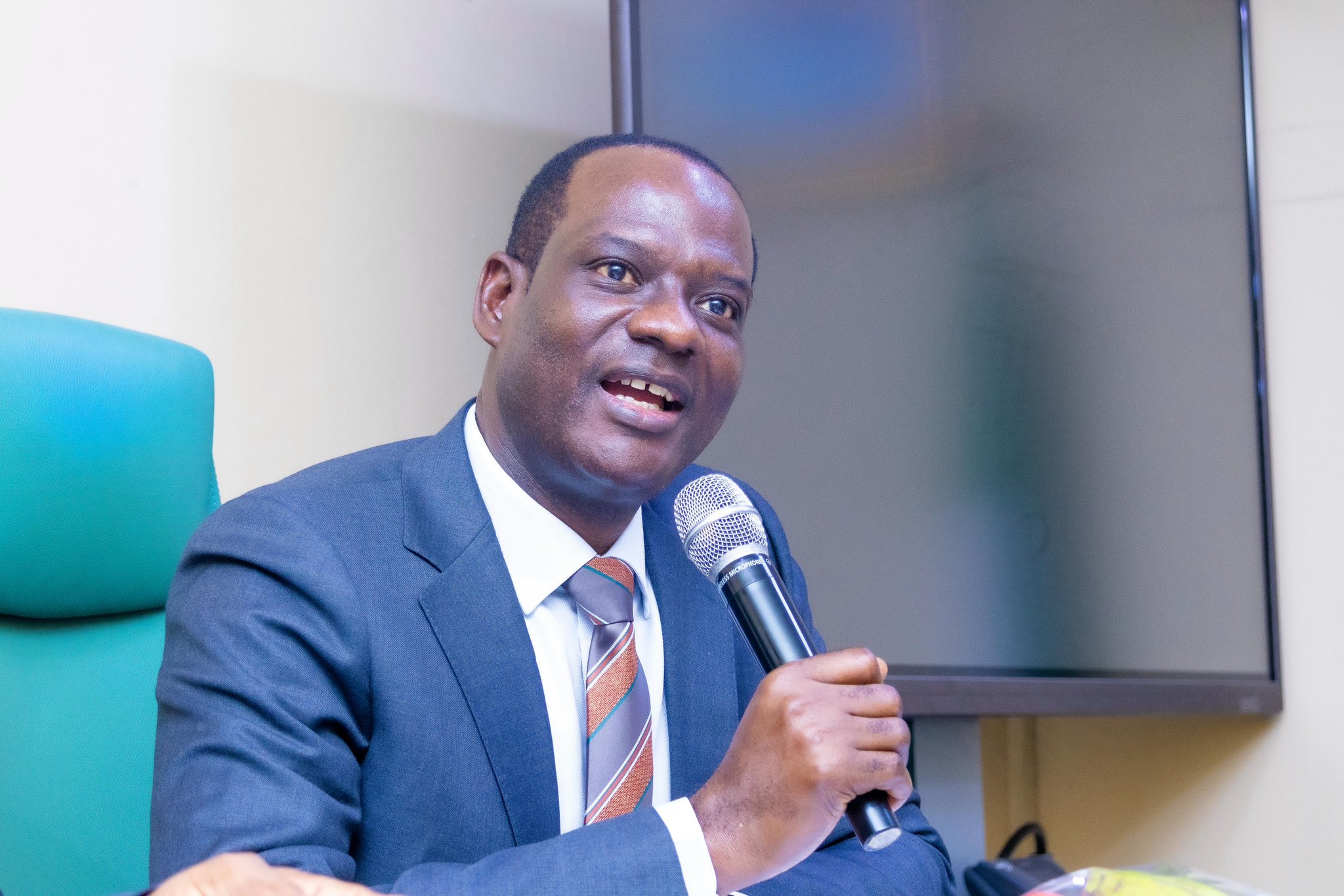
The Minister of Finance and Coordinating Minister of the Economy, Taiwo Oyedele has informed that the federal government would soon publish a detailed account on the savings from the removal of fuel subsidy and how foreign exchange subsidies had been expended.
Oyedele, who gave the hint on Wednesday at the seventh Africa Emerging Markets Forum in Abuja in response to questions on whether Nigerians were seeing the benefits of the economic reforms introduced by the administration of President Bola Tinubu, acknowledged that many Nigerians had questioned what became of the savings from the subsidy removal, describing the concerns as legitimate.
“Where has the money gone? I’ve heard this question so many times. And guess what? It’s a valid question,” he said.
According to Oyedele, the government will, in the coming days, release a comprehensive breakdown of the savings and how they have been spent.
“In a few days, you will see the detailed analysis because we believe that we owe a duty to explain what we do to the Nigerian people. That’s what transparency looks like,” the minister said.
He said the combined cost of petrol subsidy and what he described as “subsidy on FX” amounted to about five percent of Nigeria’s gross domestic product (GDP), stressing that while eliminating the subsidy generated fiscal savings, the primary objective was to remove distortions and corruption embedded in the system.
“The money saving is also important,” the minister added.
Oyedele said a significant portion of the savings had gone into financing obligations that were previously funded through central bank financing, servicing higher debt costs following tighter monetary conditions, and implementing the new national minimum wage.
He added that before the reforms, government spending was partly financed through money creation, while interest payments on public debt were significantly lower.
“If you stop printing, the spending doesn’t disappear. You need to finance the money you were printing before. That was part of where the savings went,” the minister said.
Oyedele said the ministry of finance and the Central Bank of Nigeria (CBN) have strengthened policy coordination to ensure fiscal and monetary authorities work from the same economic assumptions before introducing new measures.
The minister said aligning assumptions on inflation and other macroeconomic indicators would prevent conflicting policy actions.
“If the central bank sees outlook for inflation to be on the upside, and the fiscal authorities think inflation will turn downwards, those are two assumptions that will drive policy actions. We said to ourselves, we will start with the assumptions. At least when we get convinced about what is driving the assumptions, we can adopt the same assumption and then go do our work independently,” Oloyede said.
The minister acknowledged that high interest rates remain a constraint to business growth but said the finance ministry is developing a framework to lower financing costs without reintroducing subsidies.
“Within the Ministry of Finance, we are working on a framework on how to bring down the cost of capital without introducing subsidies. We believe we can complement the work of the monetary authorities and bring down the cost of capital,” the minister said.
He also disagreed with the World Bank’s narrative that poverty had worsened because of the reforms.
While admitting that subsidy removal initially reduced real incomes, he said the reforms had laid the foundation for stronger income growth.
“This is one area where I tend to disagree with the narrative by the World Bank.”