


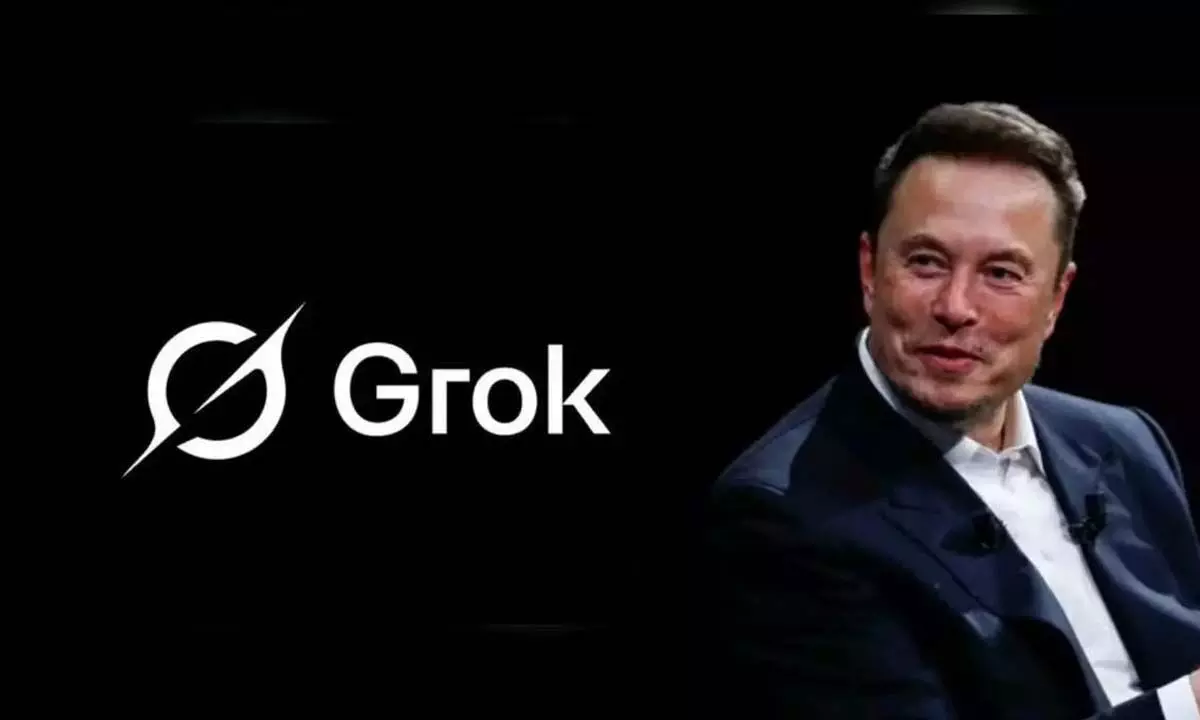
European Union (EU) last week commenced investigation into Grok, a generative artificial intelligence owned by billionaire entrepreneur, Elon Musk, over complaints of “unrestricted” creation of harmful and illegal content. The AI chatbot has lately been accused of generating sexualised deepfake images of women and minors. The AI tool has been greeted with public outcry after it emerged that users could sexualise images of women and children using simple text prompts such as “put her in a bikini” or “remove her clothes.”
Announcing the commencement of the probe, European Commission chief, Ursula von der Leyen, said “in Europe, we will not tolerate unthinkable behaviour, such as digital undressing of women and children. “It is simple — we will not hand over consent and child protection to tech companies to violate and monetise. The harm caused by illegal images is very real.
Also, the EU Tech Commissioner, Henna Virkkunen, said the probe would “determine whether X has met its legal obligations” under the bloc’s Digital Services Act (DSA), which is designed to police internet giants. She said the rights of women and children in the EU should not be “collateral damage” of X’s services. According to Reuters, Brussels said it was investigating whether X had properly mitigated “risks related to the dissemination of illegal content in the EU, such as manipulated sexually explicit images, including content that may amount to child sexual abuse material”.
According to research published on January 22, 2026, by non-profit digit watchdog, the Centre for Countering Digital Hate (CCDH), Grok generated an estimated three million sexualised images of women and children in a matter of days. As part of the new probe, the EU said it was widening an existing investigation into X aimed at tackling the spread of illegal content and information manipulation.
Mr. Musk’s social media platform, X (formerly known as Twitter), has been the target of an investigation since December 2023 under the EU’s digital content rules. The commission slapped a €120-million ($140-million) fine on the microblogging social networking service in December for violating the transparency obligations of the DSA, triggering angry reactions from US President Donald Trump’s administration.
The breaches included the deceptive design of its “blue checkmark” for supposedly verified accounts, and failure to provide access to public data for researchers. The EU has insisted it would enforce its rules despite pressure from Washington.