


Finland is about to launch the world’s first permanent underground facility for spent nuclear fuel. The facility, which is close to commencing operations, marks a major step in solving one of nuclear energy’s toughest problems.
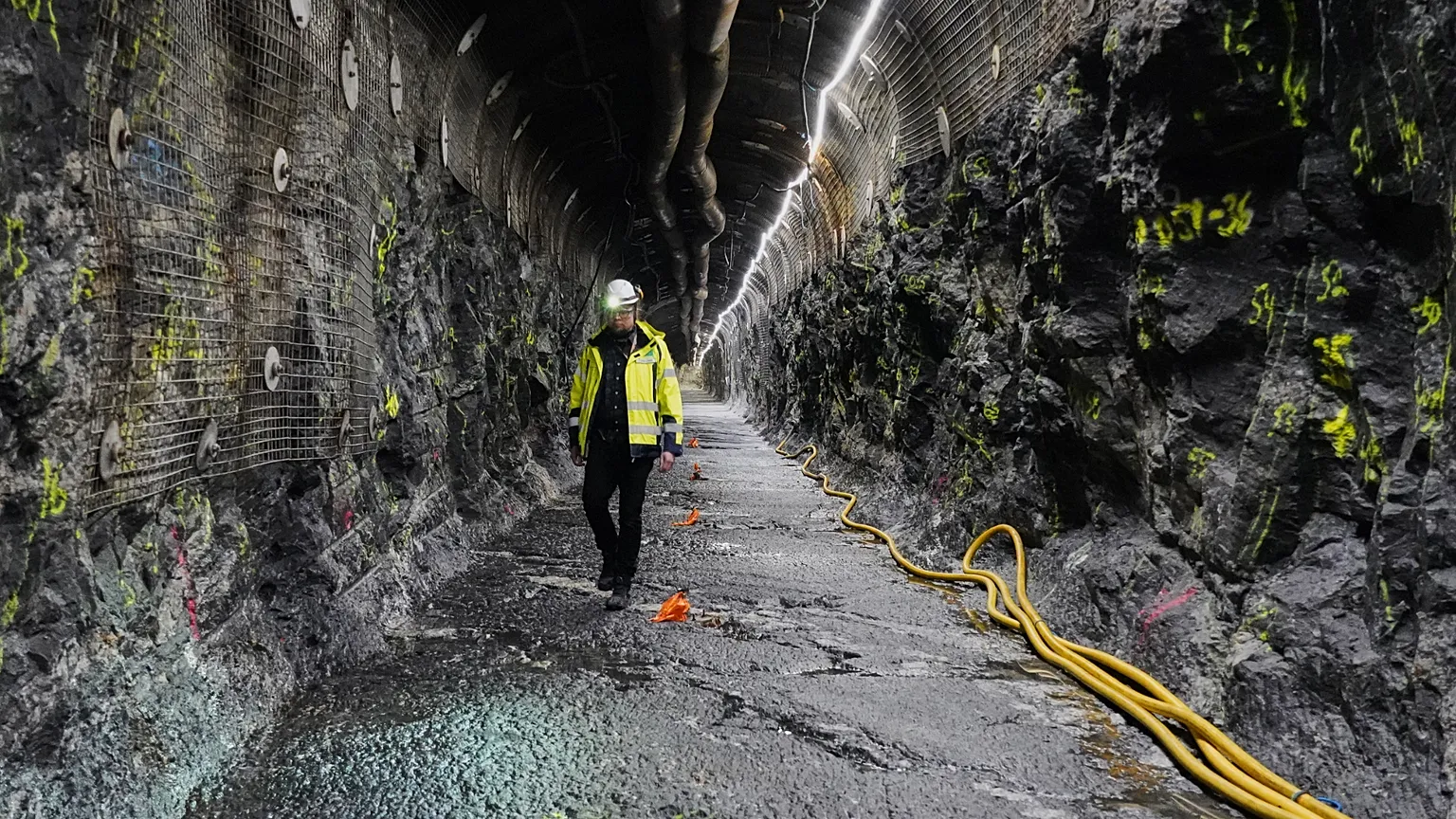
Built deep inside a 1.9 billion-year-old bedrock, the facility, known as the Onkalo nuclear waste repository, is designed to store highly radioactive waste for up to 100,000 years and is expected to receive final approval within months, according to a report by Associated Press. Once operational, the repository will become the first facility of its kind to move beyond temporary storage and offer a long-term disposal solution.
Nuclear waste has long posed a challenge for the energy sector. While nuclear power produces low carbon emissions, the spent fuel remains dangerously radioactive for millennia, requiring isolation from humans and the environment.
At Onkalo, that solution lies hundreds of metres underground in which waste will be sealed in copper canisters and buried in tunnels carved into stable bedrock, where multiple layers of protection are designed to prevent leaks. The repository sits more than 400 metres below the surface in ancient rock formations selected for their stability.
Engineers chose the site for its low seismic activity and ability to contain radiation over extremely long periods. Explaining why the remote location was selected, geologist, Tuomas Pere said “it’s the isolation from civilisation and mankind on the surface that’s important.
“We can dispose of the waste more safely than by storing it in facilities located on the ground.” According to the Associated Press, the process involves sealing spent nuclear fuel inside corrosion-resistant copper canisters, which are then placed in underground tunnels.
These are packed with bentonite clay, a material that swells when wet, creating an additional barrier against water movement and radiation release. The facility is being developed by Posiva, which estimates it can store up to 6,500 tons of spent nuclear fuel. Once filled, the tunnels will be sealed permanently, leaving the waste isolated for tens of thousands of years.