



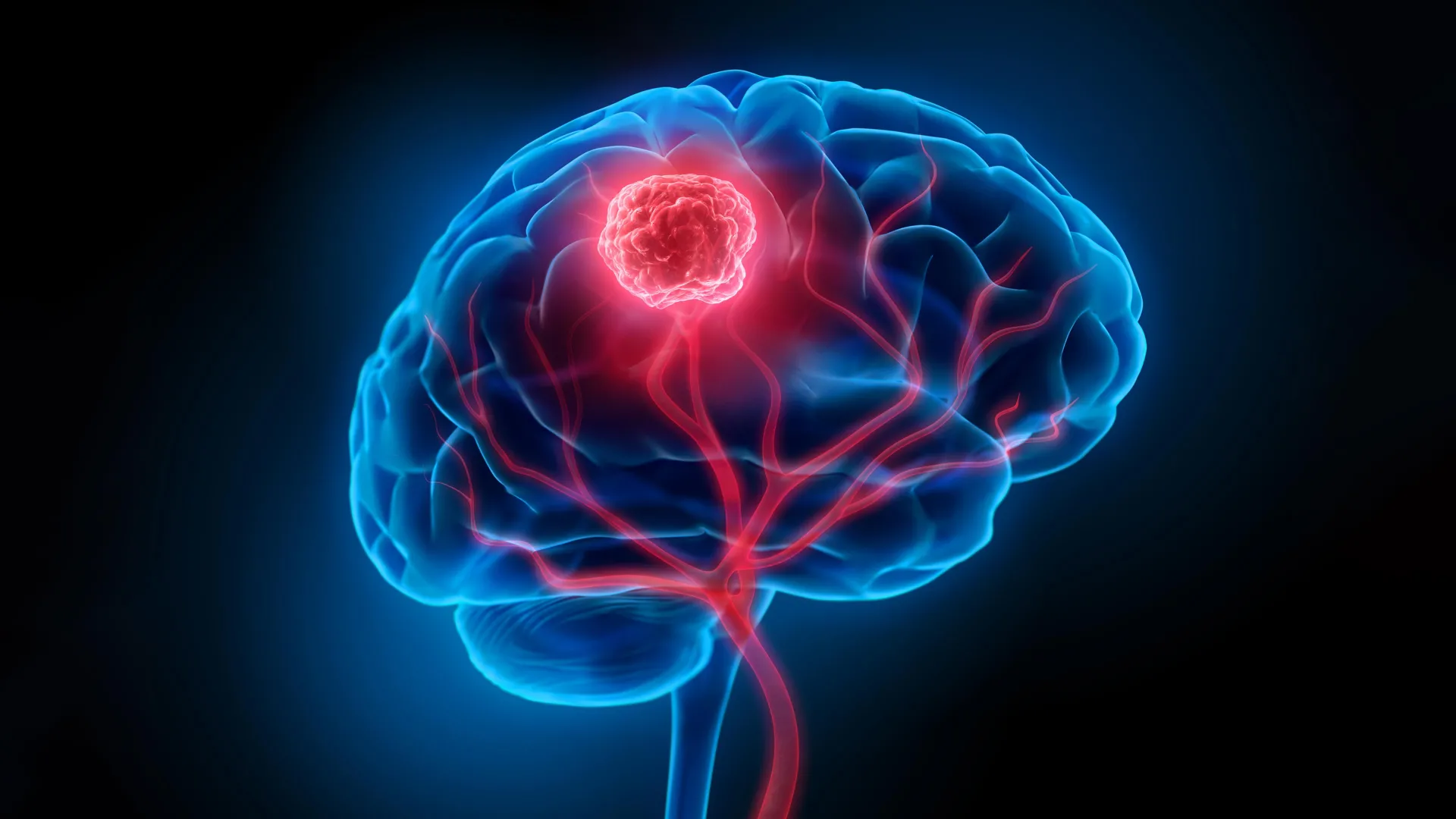
Researchers have havr unravelled why physical forces slow cancer growth, thereby providing a leap in efforts on how the disease is treated.
The research team, made up experts from the University of Galway, CÚRAM, the Taighde Éireann-Research Ireland Centre for Medical Devices, and KU Leuven in Belgium, built an innovative AI accelerated computational model to test the theory.
The study findings, published in Proceedings of the National Academy of Sciences, suggest that learning to harness the pressure of physical force on a tumour could open an entirely new role for treatments known as mechanotherapies in the fight against cancer.
Postdoctoral researcher and lead author of the study, Dr. Irish Senthilkumar, said “cancer cells are known to bypass many of the body’s normal growth controls, but tumors still respond to mechanical pressure.
Until now we haven’t understood why this happens, so our aim was to investigate the underlying mechanics at a cellular level.”
Also, senior researcher with CÚRAM and associate professor of Biomedical Engineering at University of Galway, Dr. Eóin McEvoy said: “As we understand more about how cell compression and compaction affect things like drug penetration and efficacy, the work has important implications for improving drug responses and designing new mechanotherapy treatment regimens.”