


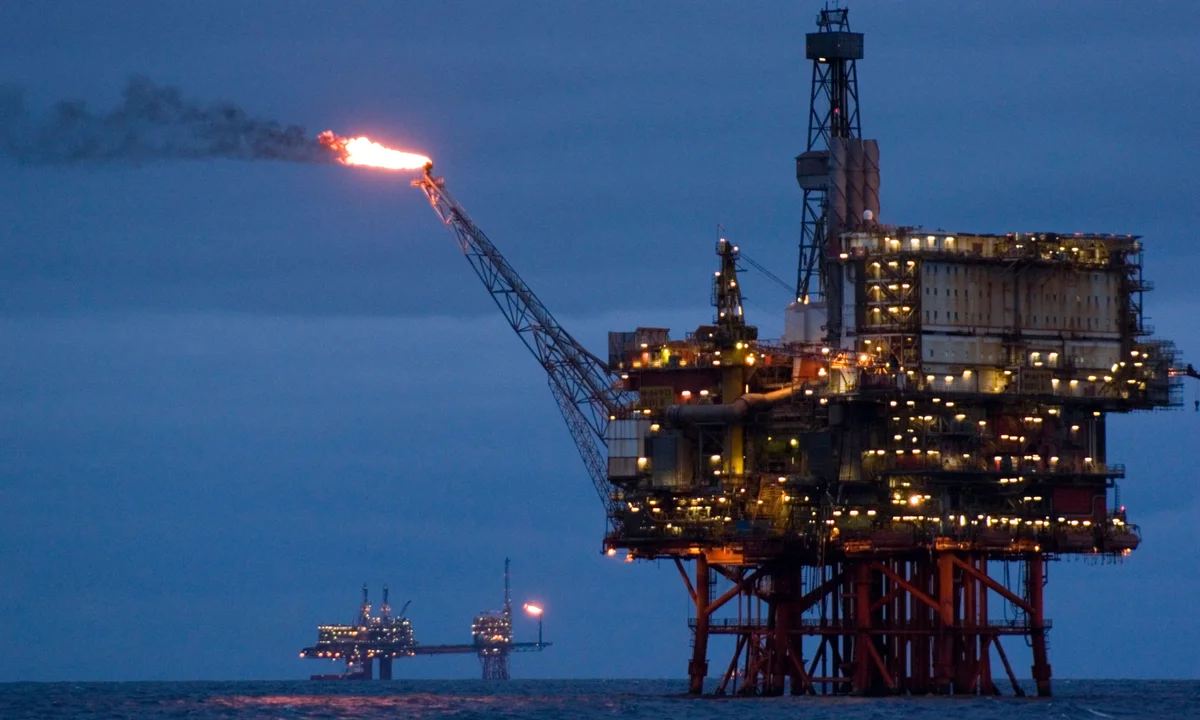
The United Kingdom (UK) government has disclosed a move to introduce a legislation banning new North Sea oil and gas exploration licences in its Energy Independence Bill.
However, major opposition figures who kick against the move argue that the policy would increase Britain’s reliance on imported fossil fuels with an adverse effect on Scotland’s oil and gas industry. Rising oil prices and disruptions tied to the Iran conflict have intensified political pressure on Labour to reconsider the ban.
King Charlse announced the plan at the state opening of parliament, signaling ministers’ refusal to buckle in the face of a barrage of criticism that the policy is depriving the UK of billions of pounds in tax receipts without helping the environment.
As part of an Energy Independence Bill announced in the King’s speech, the government will bake into law its pre-election pledge not to explore new oil and gas fields in a bid to “take control of our energy security.”
In its 2024 manifesto, the Labour Party promised a ban on all new exploration and drilling licences in the North Sea, a key pillar of its promise to turn Britain into a “clean energy superpower” by 2030.
But since entering government, the party has come under growing pressure to renege on the promise, with critics arguing it strangles one of Scotland’s most vibrant industries and fails to improve the UK’s environmental footprint.
Oil and gas still accounts for three-quarters of the UK’s energy mix, and the majority of those fossil fuels are now shipped in from abroad, meaning other economies benefit from the job creation and tax receipts that are derived from the lucrative drilling and refining processes.