


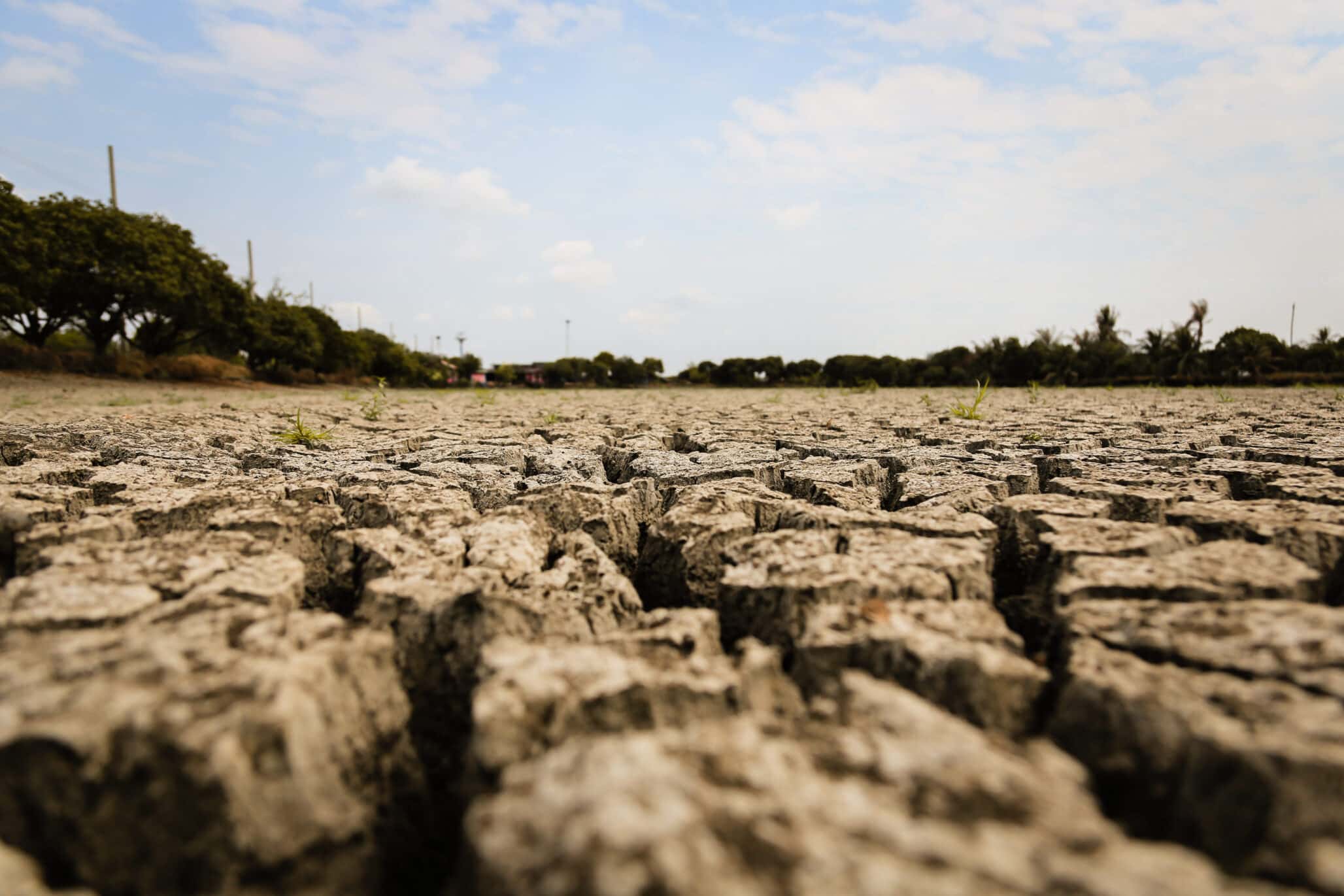
A new UN report says the world has moved from water crisis into water bankruptcy, with Africa’s utility numbers already showing the effect. The Global Water Bankruptcy Report (2026), published by the United Nations University Institute for Water, Environment and Health (UNU-INWEH), argues the word “crisis” no longer fits, since a crisis is a shock a system recovers from while bankruptcy describes what happens when it can’t — a “persistent post-crisis condition… in which long-term water use has exceeded renewable inflows and safe depletion limits.”
Nearly 75 percent of the world’s population now lives in a country classified as water insecure. The world has lost 410 million hectares of wetlands since 1970 — an area the size of the European Union — at an economic cost put at $5.1 trillion. Glacier mass is down more than 30 percent over the same period, and 70 percent of major aquifers are in long-term decline.
ESI Africa’s Water Security & Infrastructure Volume 2026 holds that global diagnosis against African utility data. Non-revenue water (produced but never billed — lost to leaks, theft or faulty metering) sits above 35 percent across South Africa, Tanzania and Mozambique, and exceeds 50 percent in Zimbabwe and among Kenya’s largest utilities.
South African Water Chamber CEO Benoît Le Roy noted South Africa’s non-revenue water rate sits at roughly 47.8 percent. A 2017 World Bank study of ~120 utilities across 14 African countries found close to half couldn’t cover their own operating and maintenance costs from revenue, and regional regulator ESAWAS’s 2023/24 benchmarking of 10 major utilities found average cost coverage fell from 99 percent to 91 percent in a single year, with collection efficiency dropping from 107 percent to 87 percent.