


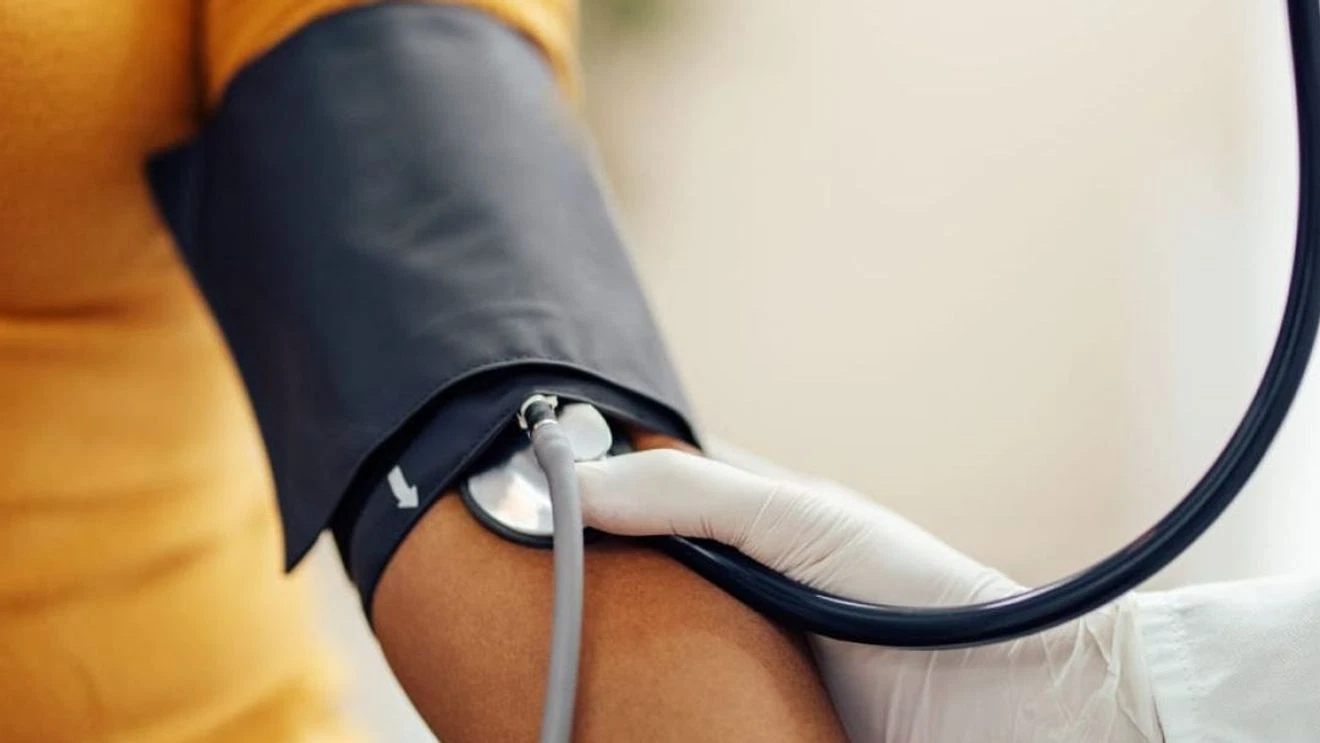
Researchers in a new study have identified one mistake that could lead to the wrong result in a blood pressure test. The researchers found that common arm positions used during measurements could inflate readings, thereby affecting diagnoses and treatment decisions.
According to research from Johns Hopkins Medicine, something as simple as where you rest your arm during the test can significantly raise the reading and potentially lead to a hypertension diagnosis that is not actually correct.
The study found that two common arm positions frequently used in clinics can artificially increase blood pressure measurements by enough to shift some patients into a higher risk category.
Researchers say the findings are especially important because high blood pressure is one of the leading causes of heart disease, stroke, kidney failure, and preventable death worldwide.
Published in JAMA Internal Medicine, the study examined how different arm positions affect blood pressure readings in adults between 18 and 80 years old.
Researchers compared the guideline-recommended position, with the arm supported on a desk at heart level, against two alternatives often seen in realworld settings: resting the arm in the lap and letting the arm hang unsupported at the side.
When participants rested their arm on their lap, systolic blood pressure readings rose by an average of 3.9 mmHg, while diastolic pressure increased by 4.0 mmHg. When the arm hung unsupported at the side, systolic pressure climbed by 6.5 mmHg and diastolic pressure by 4.4 mmHg.
That may sound minor, but even small changes in blood pressure readings can have major consequences. A difference of just a few points can determine whether someone is considered healthy, at risk, or in need of medication.
“If you are consistently measuring blood pressure with an unsupported arm, and that gives you an overestimated BP of 6.5 mmHg, that’s a potential difference between a systolic BP of 123 and 130, or 133 and 140, which is considered stage 2 hypertension,” said Sherry Liu, a study author and epidemiology research coordinator at the Johns Hopkins Bloomberg School of Public Health.
The researchers say their study findings underscore the importance of adhering to clinical guidelines calling for firm arm support on a desk or other surface when measuring blood pressure. Hypertension affects nearly half of U.S. adults, according to the American Heart Association.